


Midsize three-row SUVs remain one of the most competitive parts of the market, and two of the biggest names in the segment are the Toyota Highlander and the Ford Explorer. Both offer family-friendly seating, available all-weather capability, modern technology, and the versatility many drivers want for school runs, commuting, road trips, and everyday life.
At McCarthy Toyota of Sedalia, we know many shoppers in Sedalia, Warrensburg, Marshall, Boonville, Knob Noster, Clinton, and nearby communities want to know which SUV makes more sense in real life. For 2026, the Highlander brings standard all-wheel drive on gas models and continues to offer an efficient hybrid option, while the Explorer leans into a more tech-heavy layout and stronger current safety ratings.
If you are ready to compare your options, browse our new Toyota inventory, explore our used inventory, or contact our team to learn more about Toyota SUV availability, features, and trims.
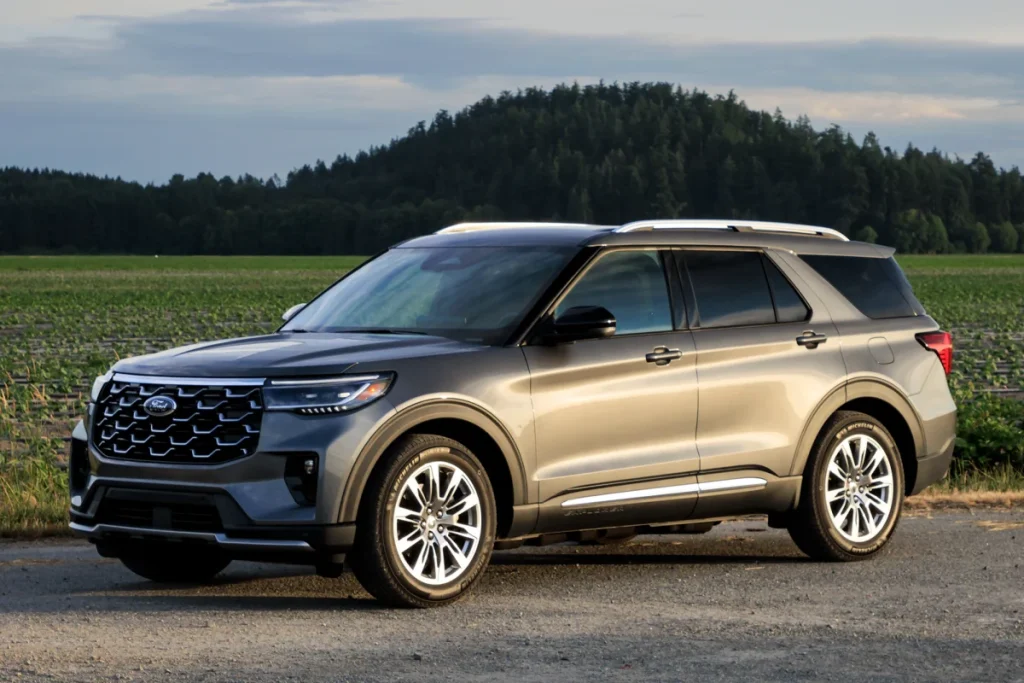
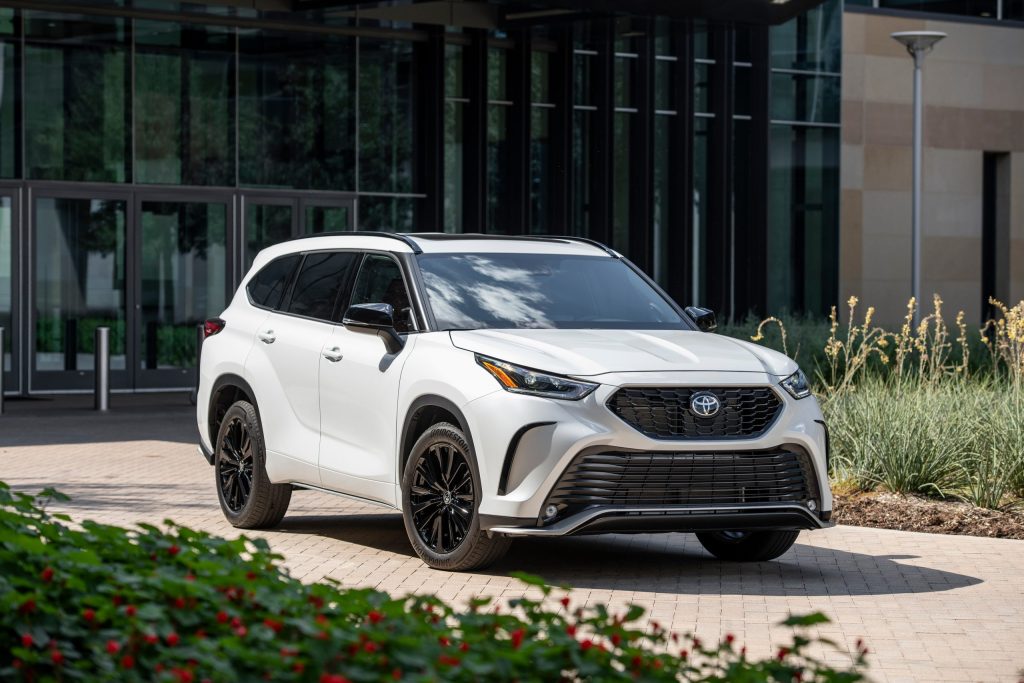
Quick Summary
The 2026 Toyota Highlander and 2026 Ford Explorer are both strong midsize SUV choices, but they appeal to shoppers in different ways. The Highlander stands out for hybrid efficiency, available seating for up to eight, and standard all-wheel drive on gas models. The Explorer stands out for current IIHS safety results, a larger standard touchscreen setup, and stronger maximum horsepower options. If your priority is family efficiency and everyday flexibility, the Highlander has a strong case. If your priority is screen size, performance, and current safety-test results, the Explorer deserves a close look.
Table of Contents
Why This Comparison Matters
The Highlander and Explorer compete for many of the same buyers: families who want three rows, enough cargo room for everyday life, and modern safety and convenience features without moving into a full-size SUV. That makes this one of the more meaningful comparisons for drivers trying to balance comfort, price, efficiency, and long-term usability.
For 2026, both models bring real strengths, but they do not win in the same areas. Toyota leans into efficiency, standard AWD on gas models, and flexible seating. Ford leans into a more aggressive tech presentation, available higher-output engines, and stronger current IIHS ratings. The better fit depends on what matters most to you.
1. Safety Ratings and Driver-Assist Features
Safety is one of the first things many midsize SUV shoppers care about, especially when the vehicle will be used for family travel. Based on current Insurance Institute for Highway Safety results, the 2026 Ford Explorer currently holds a Top Safety Pick+ rating, while the 2026 Toyota Highlander currently does not carry that same top designation.
The IIHS results currently show the Explorer with stronger overall standing in this specific comparison, including Good ratings in major crash categories and Good-rated headlights. The Highlander still performs well in many important areas, including Good ratings in small overlap front and side testing, but its updated moderate overlap front rating is currently lower than the Explorer’s.
Both SUVs also include broad suites of driver-assist technology. Toyota equips the Highlander with Toyota Safety Sense 2.5+, while Ford offers Ford Co-Pilot360 features across the Explorer lineup.
Safety takeaway: Based on currently available 2026 IIHS data, the Explorer has the edge here.
Winner: 2026 Ford Explorer
2. Hybrid Availability and Fuel Economy
This is one of the clearest differences between the two SUVs. The 2026 Highlander continues to offer both gas and hybrid powertrains, while the 2026 Explorer’s current lineup is centered on gas engines. For families who care about fuel savings over time, that alone gives Toyota a major advantage.
According to Toyota’s official 2026 information, the 2026 Highlander Hybrid has a manufacturer-estimated 35 MPG combined. Toyota also notes that gas Highlander models now come with standard AWD and have a manufacturer-estimated 24 MPG combined.
That makes the Highlander especially appealing for commuters, families who drive a lot, and buyers who want a three-row SUV without taking as big a hit at the pump. The Explorer can still appeal to drivers who prioritize power, towing, or a more traditional performance feel, but on efficiency, the Highlander has the stronger argument.
Efficiency takeaway: If fuel economy and hybrid availability matter, the Highlander is the more compelling choice.
Winner: 2026 Toyota Highlander
3. Technology and Infotainment
Both SUVs offer wireless Apple CarPlay and Android Auto compatibility, modern multimedia systems, and strong available upgrades, but they approach the cabin experience differently. Toyota keeps things simpler across the Highlander lineup, while Ford pushes a more screen-dominant setup from the start.
Toyota says the 2026 Highlander offers an 8-inch standard touchscreen or an available 12.3-inch touchscreen, depending on trim. Higher trims can also include a 12.3-inch digital gauge cluster and an available 11-speaker JBL audio system.
Ford’s current 2026 Explorer details show a 12.3-inch digital cluster and 13.2-inch touchscreen on current inventory examples and official model information, giving the Explorer a more modern standard screen presentation right away. Ford also offers features like the Ford Digital Experience and available BlueCruise-related tech on some versions.
Technology takeaway: The Explorer has the more aggressive screen layout, while the Highlander stays competitive but starts smaller on lower trims.
Winner: 2026 Ford Explorer
4. Seating, Space, and Family Practicality
Both vehicles offer three-row layouts, but their seating flexibility differs. Toyota says the 2026 Highlander seats up to eight when equipped with the available second-row bench on certain trims, while Ford says the 2026 Explorer seats six or seven depending on configuration.
That matters for families who regularly fill every seat. The Highlander’s available eight-passenger setup gives it an advantage for buyers who want maximum people-hauling flexibility in a midsize footprint. Toyota also points to up to 84.3 cubic feet of cargo capacity with the second and third rows folded, while Ford lists up to 85.8 cubic feet of maximum cargo capacity on many Explorer models.
The cargo figures are competitive, but Toyota’s mix of hybrid availability, optional eight-passenger seating, and standard AWD on gas models gives the Highlander a particularly family-friendly balance. The Explorer still appeals to drivers who prefer six- or seven-passenger layouts and a more performance-oriented feel.
Practicality takeaway: For pure family flexibility, the Highlander gets the nod.
Winner: 2026 Toyota Highlander
5. Which SUV Makes More Sense for More Drivers?
This comparison is much closer in 2026 than a one-sided rivalry article would suggest. The Explorer currently has the stronger IIHS safety outcome and a more modern standard screen setup. The Highlander counters with hybrid efficiency, available seating for up to eight, and standard AWD on gas models.
If your top priorities are fuel economy, family flexibility, and a more efficiency-focused ownership experience, the Highlander is likely the better fit. If your priorities are current IIHS ratings, larger standard displays, and stronger performance-oriented options, the Explorer may be the better match.
For many families, the Highlander’s hybrid advantage and everyday usability will still make it the more practical choice. But for 2026, the Explorer deserves more credit in this matchup than older comparisons often gave it.
Overall winner for efficiency-focused family buyers: 2026 Toyota Highlander
Why Shop for a Toyota Highlander at McCarthy Toyota of Sedalia?
At McCarthy Toyota of Sedalia, we help drivers compare Toyota SUVs with real-world priorities in mind. If you are looking at a three-row SUV for family use, road trips, commuting, or all-weather confidence, our team can help you sort through trims, hybrid options, technology, and feature differences without the confusion.
We offer access to new Toyota inventory, used inventory, and ongoing support through our service department. You can also visit our Google Business profile for directions and location details.
You can find us at 3110 W Broadway Blvd, Sedalia, MO 65301, or contact us online or call (660) 826-5400 to ask about Highlander availability, trims, financing, or test drives.
Is the 2026 Toyota Highlander or 2026 Ford Explorer Better?
The better SUV depends on what matters most to you. The 2026 Ford Explorer currently has the edge in IIHS safety results and standard screen size, while the 2026 Toyota Highlander stands out with hybrid efficiency, available eight-passenger seating, and standard AWD on gas models.
For many Sedalia-area families, the Highlander will still be the more balanced choice because it blends practicality, efficiency, and everyday comfort so well. To learn more, browse our new Toyota inventory, shop our used inventory, or reach out to our team today.
Frequently Asked Questions
Which is better, the 2026 Toyota Highlander or the 2026 Ford Explorer?
The better SUV depends on your priorities. The Highlander is stronger for hybrid efficiency and family flexibility, while the Explorer currently has the edge in IIHS safety ratings and standard screen size.
Does the 2026 Toyota Highlander offer a hybrid?
Yes. Toyota offers the 2026 Highlander Hybrid, and Toyota says it has a manufacturer-estimated 35 MPG combined.
Which SUV has better current safety ratings for 2026?
Based on current IIHS results, the 2026 Ford Explorer holds a Top Safety Pick+ rating, while the 2026 Toyota Highlander currently does not carry that same designation.
Which SUV has more seating capacity?
The 2026 Toyota Highlander can seat up to eight in certain configurations, while the 2026 Ford Explorer seats six or seven depending on trim and seating setup.
Where can I shop for a Toyota Highlander near Sedalia, MO?
You can shop at McCarthy Toyota of Sedalia, browse our new inventory, or contact our team for availability and trim details.
Sources
Connect with us

